

Women’s pleasure is an important part of intimate wellness, confidence, relationships, and overall well-being. Yet, despite growing conversations around sexual health, many misconceptions about women’s pleasure continue to exist.
These myths can create unrealistic expectations, unnecessary pressure, and confusion about what is considered “normal.” The truth is that every woman’s experience of pleasure is different, and there is no single formula that works for everyone.
In this article, we’ll explore some of the most common myths about women’s pleasure and look at what science and healthy communication tell us instead.
1. Myth: All Women Experience Pleasure in the Same Way
One of the biggest misconceptions is that there is one standard way women experience pleasure.
The reality
Women have different bodies, preferences, sensitivities, experiences, and emotional needs. What feels comfortable and enjoyable for one person may not feel the same for another.
Factors such as stress, mood, relationship dynamics, hormones, comfort, and personal preferences can all influence sexual experiences.
There is no universal definition of pleasure.
Understanding your own preferences and communicating openly with a partner can be much more helpful than comparing yourself with someone else.
2. Myth: Pleasure Should Always Happen Naturally Without Communication
Many people believe that partners should automatically know what the other person wants.
The reality
Healthy communication is an important part of intimacy.
Talking about comfort, boundaries, preferences, and expectations can help partners understand each other better. Communication doesn’t necessarily have to be complicated. Even simple conversations can make intimate experiences more comfortable and mutually enjoyable.
Good intimacy begins with trust and communication.
3. Myth: Women’s Pleasure Is Only About Physical Stimulation
Physical factors are important, but pleasure isn’t purely physical.
The reality
Emotional and psychological factors can play a significant role in intimate experiences.
Feeling safe, respected, relaxed, and emotionally connected can influence how someone experiences intimacy. Stress, anxiety, relationship problems, lack of privacy, and tiredness may also affect desire and comfort.
This is why female sexual wellness should be viewed as part of overall well-being rather than simply a physical experience.
4. Myth: If Someone Doesn’t Feel Desire All the Time, Something Is Wrong
Another common misconception is that sexual desire should always remain constant.
The reality
Desire can naturally change throughout life.
Work, stress, sleep, relationships, lifestyle, hormones, medications, and other factors can influence how someone feels at different times.
Having periods of lower desire does not automatically mean that something is wrong.
However, if a persistent change in desire or comfort is causing concern or affecting quality of life, speaking with a qualified healthcare professional can be helpful.
5. Myth: Age Determines a Woman’s Ability to Enjoy Intimacy
Some people assume that pleasure and intimacy are only important when someone is young.
The reality
There is no age limit on intimacy, affection, or personal wellness.
Women’s needs and preferences can change throughout different stages of life, but that doesn’t mean pleasure becomes unimportant.
A healthy approach to intimate wellness focuses on comfort, consent, communication, and individual preferences rather than age-based expectations.
6. Myth: Everyone Should Have the Same Sexual Experience
Social media, movies, and popular culture often create unrealistic expectations about intimacy.
The reality
Real-life experiences are much more diverse.
There is no requirement for every intimate experience to look or feel a certain way. People have different preferences, comfort levels, relationships, and expectations.
Comparing your personal experience with fictional or highly edited portrayals can create unnecessary pressure.
Healthy intimacy isn’t about following a script. It’s about mutual comfort and connection.
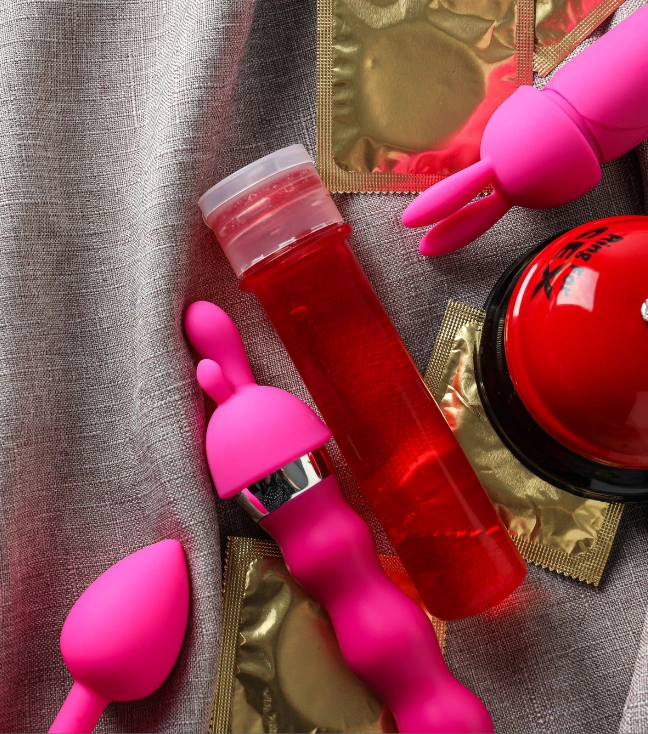
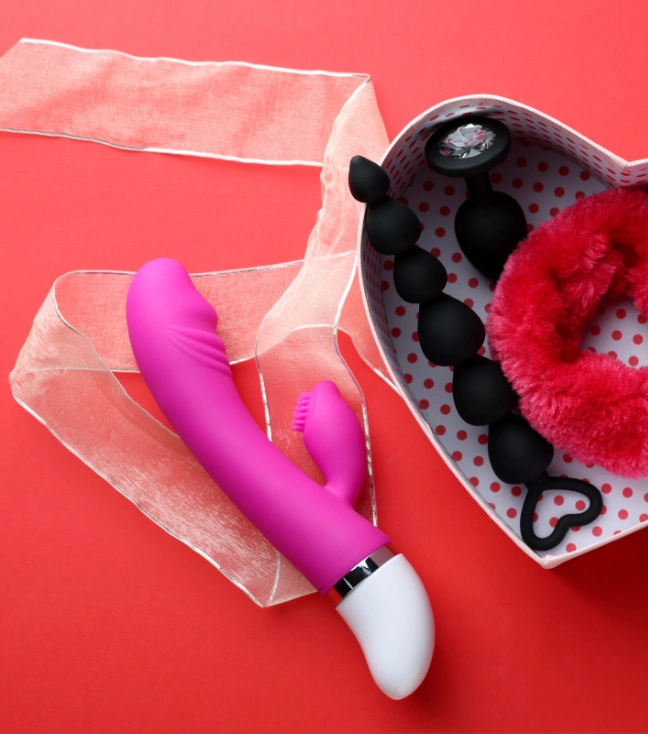
7. Myth: Using Intimate Wellness Products Means Something Is Wrong
Some people still believe that using intimate wellness products means a person has a problem with their relationship or sexual health.
The reality
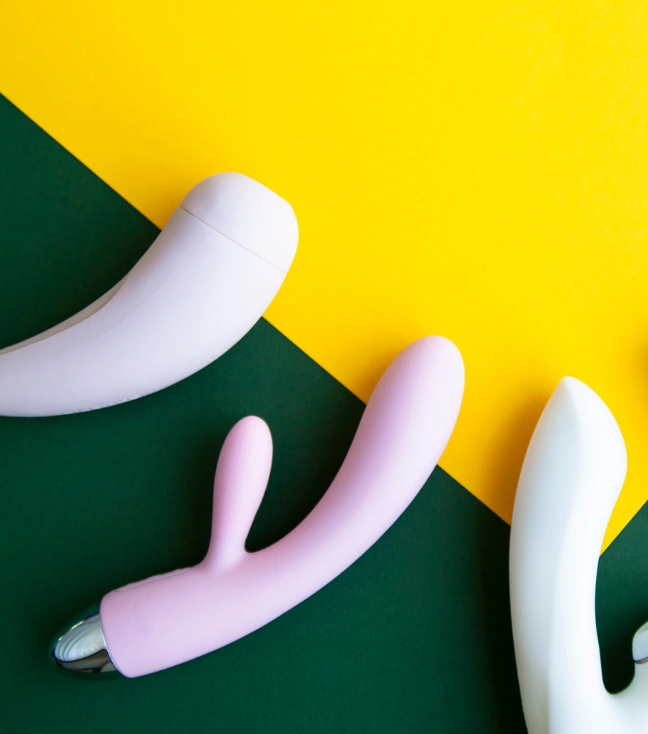
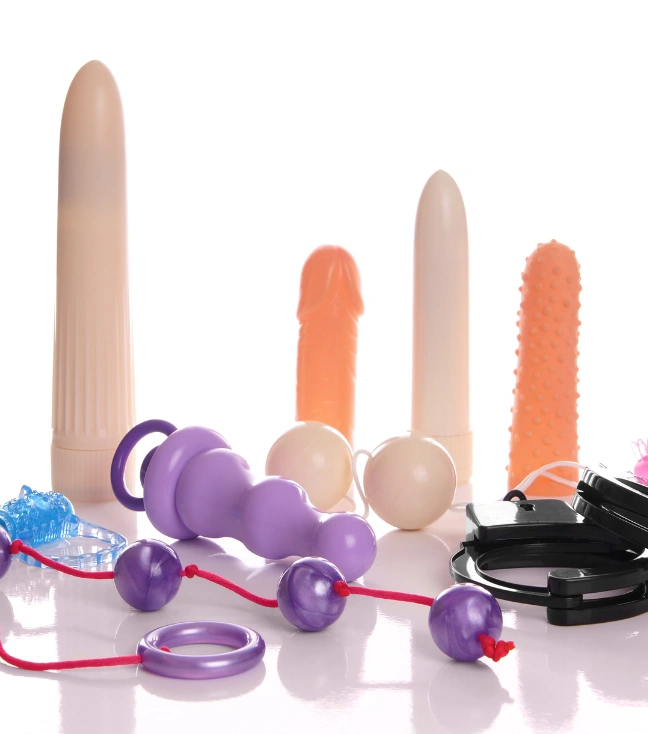
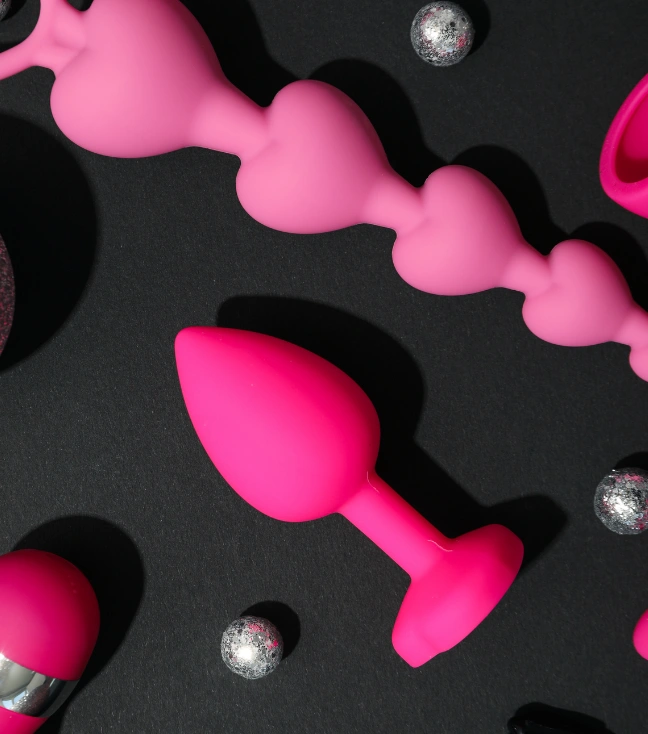
Intimate wellness products can simply be another form of personal exploration and self-care for adults.
Some people use them individually, while others may incorporate them into their relationship. The decision is personal and should always be based on comfort, consent, and informed choice.
If choosing an intimate wellness product, look for reputable manufacturers, body-safe materials, clear product information, and responsible usage instructions.
8. Myth: Talking About Women’s Pleasure Is Embarrassing
For many years, conversations around women’s sexual health were treated as taboo.
The reality
Open and respectful conversations can help people make better-informed decisions about their bodies and relationships.
Learning about anatomy, consent, boundaries, contraception, sexual health, and intimate wellness can contribute to greater confidence and healthier relationships.
Education should never be a source of embarrassment.
9. Myth: A Partner Is Responsible for Someone Else’s Pleasure
This belief can create pressure for both people in a relationship.
The reality
Intimacy is a shared experience, but every individual remains responsible for understanding and communicating their own needs and boundaries.
Partners can support each other through communication, patience, respect, and understanding.
There is no need to treat intimacy as a performance or a test that someone has to pass.
10. Myth: There Is a “Normal” Amount of Pleasure or Desire
People sometimes worry that their preferences or level of desire are not normal.
The reality
There is a wide range of healthy individual experiences.
Some people may have a high level of interest in intimacy, while others may experience less desire. Preferences can also change over time.
Instead of asking, “Is this normal?”, a more useful question may be:
“Am I comfortable, healthy, informed, and happy with my experience?”
If something feels uncomfortable, painful, or concerning, professional medical advice can help identify possible causes.
Why Understanding Women’s Pleasure Matters
Breaking down myths about women’s pleasure isn’t simply about improving intimate experiences. It’s also about encouraging better education, communication, confidence, and overall women’s sexual wellness.
When people understand that every body and relationship is different, they can move away from unrealistic expectations and focus on:
- Communication
- Consent
- Comfort
- Emotional connection
- Personal boundaries
- Body awareness
- Sexual health
- Individual preferences
- Mutual respect
These principles can contribute to healthier and more fulfilling relationships.
Women’s Pleasure Is Personal
There is no single definition of women’s pleasure.
Every woman has her own body, preferences, experiences, and circumstances. What matters most is having accurate information, feeling comfortable with your choices, respecting boundaries, and communicating openly with yourself and your partner.
Rather than believing common myths, focus on education, self-awareness, consent, and communication.
And remember: intimate wellness is a personal journey—not a competition and not something that needs to look a certain way.
Frequently Asked Questions
What is women’s pleasure?
Women’s pleasure refers to the physical, emotional, and psychological aspects of enjoyment and well-being related to intimacy and personal sexuality. Experiences vary significantly from person to person.
Is it normal for women’s sexual desire to change?
Yes. Desire can naturally change due to factors such as stress, sleep, relationships, hormones, lifestyle, and different stages of life.
Can communication improve intimacy?
Yes. Honest and respectful communication about preferences, comfort, boundaries, and expectations can help partners understand one another better.
Are intimate wellness products safe?
Safety depends on the specific product and how it is used. Choose products from reputable manufacturers, check material information and instructions, and follow the manufacturer’s safety recommendations.
When should someone talk to a healthcare professional?
If someone experiences persistent pain, significant or unexplained changes in sexual function or desire, or concerns that affect their well-being, discussing them with a qualified healthcare professional is appropriate.
Final Thoughts
The biggest myth about women’s pleasure may be that there is one “right” way to experience it.
There isn’t.
Women’s intimate wellness is personal, individual, and influenced by physical, emotional, psychological, and relationship factors. Replacing myths with reliable information can help create a healthier and more confident approach to intimacy.
Knowledge, consent, communication, and comfort should always come first.